The use of Animal Meals and Fats in the Pet Market for Dogs and Cats Bibliographic

The global pet food market shows continuous growth driven mainly by the humanization of pets, increased life expectancy of animals and greater concern of owners with health, nutrition and well-being. The pet food sector moves billions of dollars annually and the premium and super premium segments have been expanding rapidly due to the growing demand for nutritionally more complete, digestible and safe foods.

In this context, animal ingredients are of central importance in the formulation of foods intended for dogs and cats, especially due to the physiological characteristics of these species. Dogs are classified as facultative carnivores, having a relative capacity to use carbohydrates and plant proteins, while cats are considered obligate carnivores, presenting high metabolic dependence on nutrients from animal tissues, such as taurine, arachidonic acid, preformed vitamin A and high protein levels.

The main raw materials of animal origin used in the pet industry include beef and pork meat and bone meal, offal meal, hydrolyzed feather meal, blood meal and animal fats. Such ingredients are produced from the use of by-products from the cold chain and represent important sources of protein, energy, minerals and compounds responsible for the high palatability of food.

In addition to the nutritional relevance, the use of these ingredients has a significant positive environmental impact due to the reuse of industrial waste. Animal rendering reduces the disposal of by-products and contributes directly to the circular economy and sustainability of the production chain.

However, the quality of these raw materials depends directly on industrial processing, microbiological control, oxidative stability and bromatological standardization. Inadequately processed ingredients can compromise digestibility, amino acid bioavailability, lipid stability, and food safety.

Internationally, entities such as the Association of American Feed Control Officials (AAFCO) and the European Pet Food Industry Federation (FEDIAF) establish nutritional and regulatory parameters widely used by the pet industry. In Brazil, the Ministry of Agriculture and Livestock (MAPA) regulates the inspection, production, transportation and use of ingredients intended for animal feed.

Thus, this bibliographic review aims to robustly discuss the use of animal meals and fats in the diet of dogs and cats, addressing bromatological composition, digestibility, inclusion levels, physiological differences between species, regulation and trends in the pet food market.

The physiological differences between dogs and cats directly influence the use of animal ingredients in commercial formulations.

Dogs have greater metabolic flexibility and are able to partially utilize plant-based nutrients. According to AAFCO, adult dog food should contain at least 18% crude protein and 5.5% dry matter-based fat. For growth and reproduction, these values increase to 22.5% protein and 8.5% fat.

Cats, on the other hand, have significantly higher protein requirements due to their strictly carnivorous metabolism. They have a low capacity to synthesize taurine, niacin and arachidonic acid, making it indispensable to supply these nutrients through ingredients of animal origin.

Studies demonstrate that cats maintain metabolic pathways permanently directed to protein catabolism, even under conditions of low protein intake. Thus, feline foods typically have higher concentrations of animal proteins and fats when compared to canine formulations.

In addition, animal ingredients have higher bioavailability of essential amino acids, especially lysine, methionine, taurine and tryptophan, which are essential for the metabolic maintenance of felines.

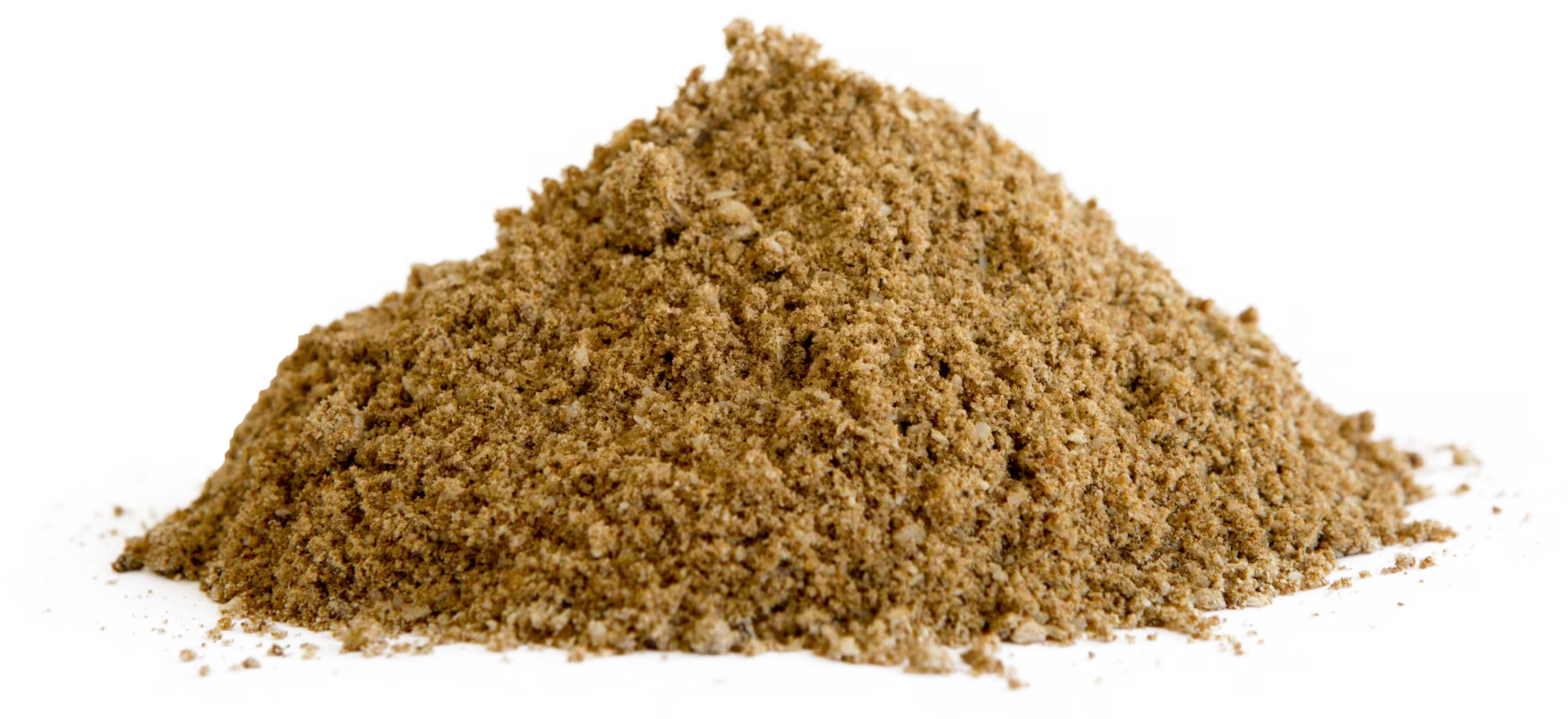
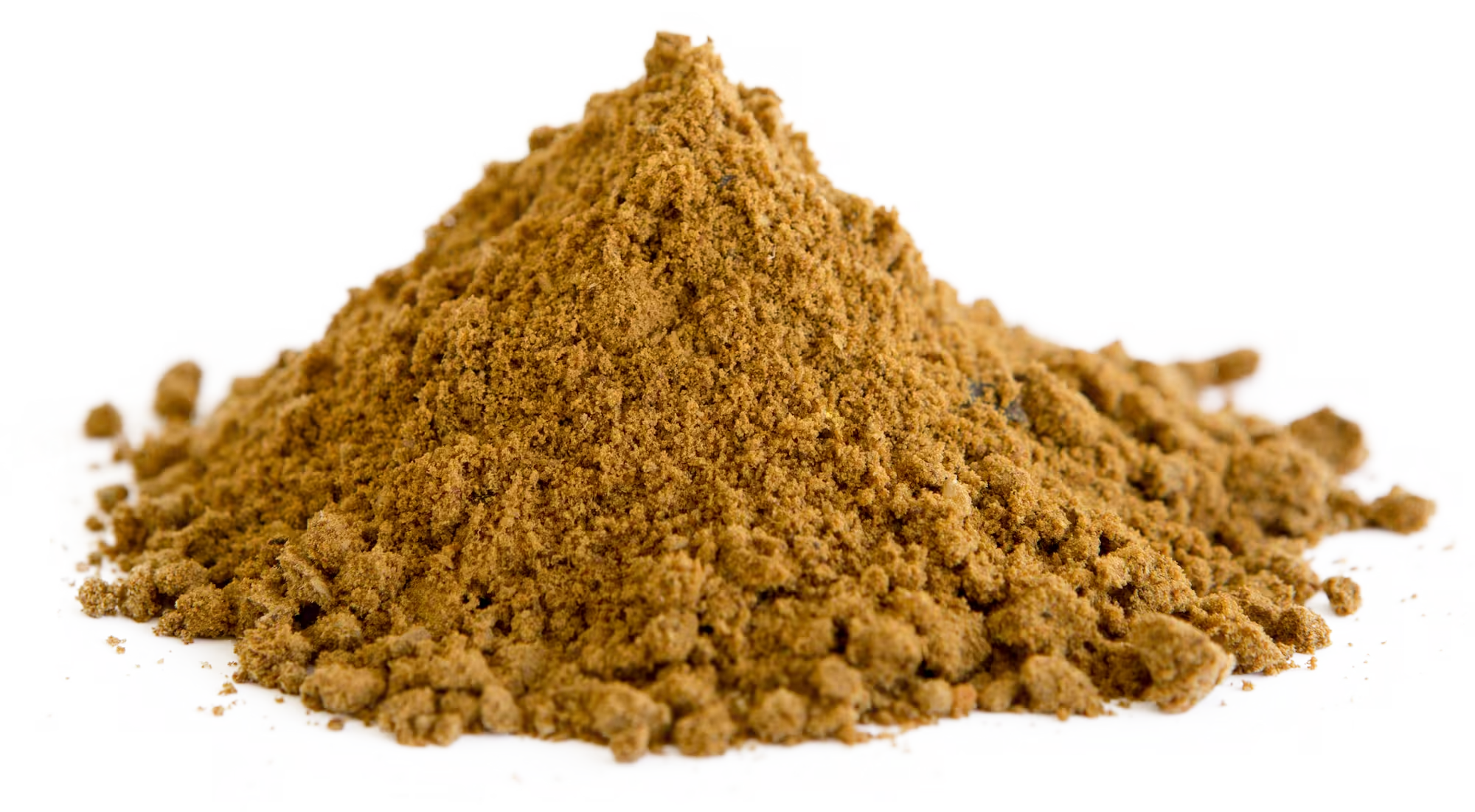
Bovine and swine meat and bone meal

Meat and bone meal (MBM) is one of the main protein sources used in the pet industry due to the high content of protein and minerals, in addition to the wide commercial availability.

Its bromatological composition may vary according to raw material and industrial processing, normally presenting:

Component Average values
Crude protein 35–55%
Ether extract 8–18%
Mineral matter 20–35%
Calcium 5–12%
Phosphorus 3–6%

The protein digestibility of meat and bone meal ranges between 70% and 85%, depending mainly on the amount of bone present and the intensity of the heat treatment.

Studies conducted by Kawauchi (2012) demonstrated that excessive temperatures significantly reduce lysine availability and protein digestibility due to the occurrence of Maillard reactions and structural denaturation.

Meat and bone meal has an important mineral contribution, especially calcium and phosphorus, and is often used in standard and premium foods. However, high ash levels can compromise digestibility and increase fecal volume.

In dogs, inclusion levels typically range between 5% and 20% of the total formulation. In cats, levels tend to be lower due to higher demand for highly digestible proteins and lower tolerance to high mineral contents.

From an economic point of view, MBM has an excellent cost-benefit ratio, being widely used in economic and standard formulations.

Under the regulatory aspect, MAPA establishes strict sanitary controls related to the use of animal by-products in animal feed, especially after international regulations associated with bovine spongiform encephalopathy (BSE).

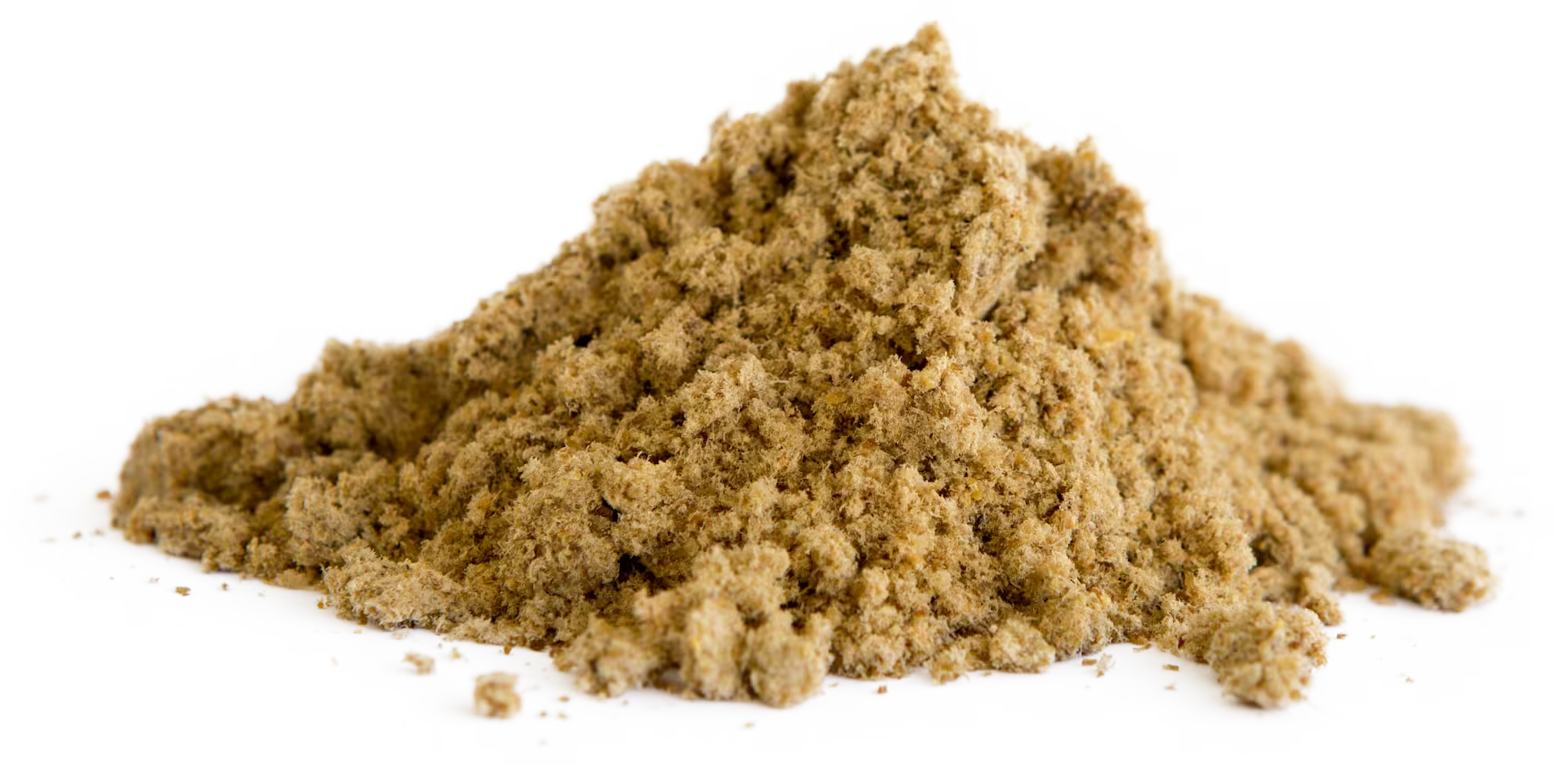
Offal meal

Offal meal is considered one of the raw materials of greatest biological value used by the pet food industry.

Produced from internal organs such as liver, heart, lungs and gizzard, it has high digestibility, excellent amino acid profile and high palatability.

Its average composition includes:

Component Average values
Crude protein 55–68%
Ether extract 10–18%
Mineral matter 10–15%
Protein digestibility 85–92%

Offal meal has superior digestibility to meat and bone meal due to the lower mineral content and higher concentration of muscle and organic tissues.

In cats, this ingredient assumes even greater importance due to the natural supply of taurine and high concentration of essential amino acids.

In addition, the liver present in the meal provides important fat-soluble vitamins, especially vitamin A and B-complex vitamins.

In the premium and super premium segments, offal meal often constitutes the main protein source due to the high acceptance by animals and better consumer perception.

Digestibility studies show that diets containing offal meal promote lower fecal volume, higher protein utilization and better fecal score when compared to formulations containing higher levels of meat and bone meal.

Inclusion levels typically range between 10% and 30% in the extruded dry formulations.

Hydrolyzed feather meal

Hydrolyzed feather meal is produced through the thermal and hydrolytic breakdown of keratin present in poultry feathers.

Keratin has a structure highly resistant to enzymatic digestion, requiring processing under high pressure and temperature to increase digestibility.

Its average composition presents:

Component Average values
Crude protein 75–90%
Digestibility 60–80%
Cystine Elevated
Lysine Low

Despite the high protein content, feather meal has limitations related to the unbalanced amino acid profile and lower protein bioavailability.

When properly hydrolyzed, it can achieve digestibility greater than 75%. However, inadequate processing significantly reduces nutritional utilization.

Inclusion levels typically range between 2% and 8% of the total formulation, being used mainly in economical and standard foods.

In premium formulations, its use tends to be reduced due to the negative perception of the consumer and the search for proteins considered of higher biological quality.

Still, from an environmental point of view, feather meal represents an important sustainable alternative for the use of poultry waste.

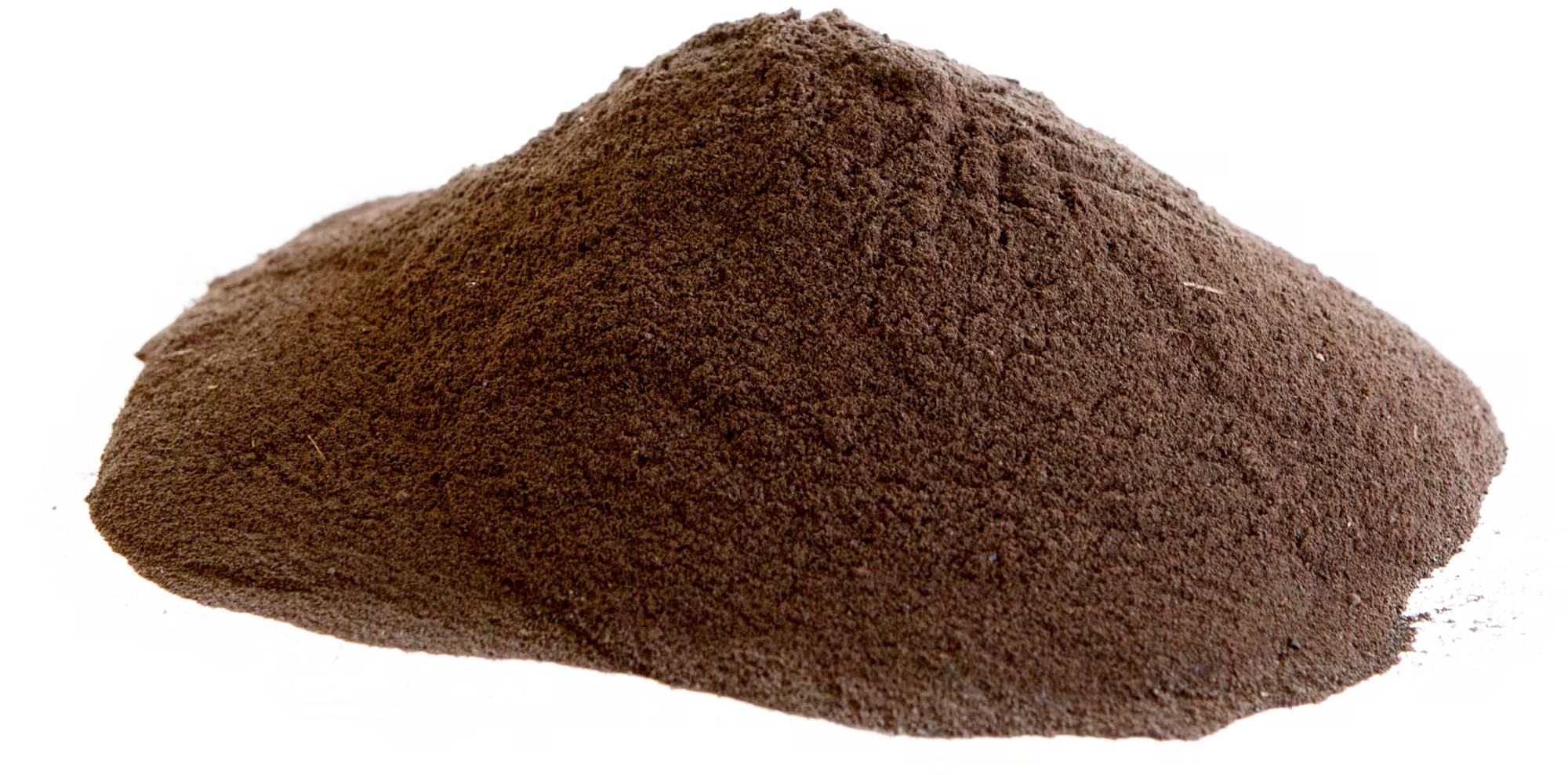
Blood meal

Blood meal has one of the highest protein contents among the ingredients of animal origin used in the pet industry.

Its average composition includes:

Component Average values
Crude protein 80–92%
Digestibility 70–90%
Lysine Elevated
Isoleucine Low

The ingredient stands out mainly for its high concentration of lysine, an essential amino acid often limiting in plant formulations.

However, blood meal has limitations related to low palatability and amino acid imbalance, especially low levels of sulfurized amino acids and isoleucine.

Its use normally occurs at moderate levels, ranging between 1% and 5% of formulations.

Drying methods directly influence nutritional quality. Overly aggressive processes reduce digestibility and cause protein degradation.

In addition, blood meal requires strict microbiological control due to the high biological activity of fresh blood.

Animal fats

Animal fats perform fundamental nutritional, technological and sensory functions in pet foods.

The main sources used include beef fat, pork fat and poultry fat.

Its high energy composition provides approximately 8.5 kcal/g, representing an important source of metabolized energy.

In addition, lipids contribute to:

  • absorption of fat-soluble vitamins;
  • supply of essential fatty acids;
  • maintaining the integrity of the skin and coat;
  • improvement of the inflammatory response;
  • increased palatability.

In cats, animal fats play an even more important role due to the metabolic requirement for arachidonic acid, a nutrient found mainly in animal tissues.

Inclusion levels typically range between 8% and 20% in dry commercial formulations.

However, lipid oxidation is one of the main technological challenges associated with animal fats.

The formation of peroxides compromises sensory quality, stability and food safety. Thus, antioxidants such as tocopherols, BHA and BHT are widely used by the industry.

Characteristic Economic Premium Super Premium
Main protein source MBM and
feathers
Offal + MBM Selected offal
Average digestibility 70–78% 80–86% 86–92%
Inclusion of animal fat Moderate Elevated Elevated and functional
Quality of raw materials Variable Controlled High standardization
Use of feather meal Frequent Moderate Low
Use of blood meal Moderate Low Very Low
Palatability Medium High Very High
Fecal volume Upper Moderate Minor
Cost Low Intermediate Elevated
Oxidative control Elementary Moderate Strict

The use of animal ingredients in pet food is regulated by different national and international bodies.

In Brazil, MAPA regulates inspection, production, transportation and use of ingredients intended for animal feed. Decree No. 12.031/2024 updated the regulatory procedures related to the inspection and inspection of products for animal feed.

In addition, MAPA establishes specific rules for transit and sanitary certification of inedible animal by-products used in animal feed.

Internationally, AAFCO establishes minimum nutritional profiles for dogs and cats, determining mandatory levels of protein, fat, minerals and vitamins for different physiological phases.

FEDIAF also publishes nutritional guidelines widely used by the European pet food industry.

Quality controls include:

  • digestibility;
  • water activity;
  • peroxide index;
  • amino acid profile;
  • microbiological count;
  • oxidative stability.

Animal meals and fats remain fundamental for the formulation of food for dogs and cats due to their high nutritional quality, supply of essential amino acids, high digestibility and superior palatability.

Offal meal stands out as an ingredient of greater biological value, while meat and bone meal has an excellent cost-benefit ratio and an important mineral contribution.

Hydrolyzed feather and blood flours act as complementary ingredients, being used mainly in economic and standard formulations.

Animal fats play an essential role in energy density, dermatological health and acceptance of commercial foods.

The physiological differences between dogs and cats reinforce the importance of ingredients of animal origin, especially for felines, which have strictly carnivorous metabolism and high dependence on specific nutrients found in animal tissues.

In addition to their nutritional importance, these raw materials contribute significantly to environmental sustainability and the circular economy through the use of waste from the cold chain.

Finally, the growing demand of the consumer market and national and international regulations reinforces the need for strict quality control, traceability and industrial standardization of the ingredients used by the pet food industry.

ARNAUD, Wagner Marinho da Rocha et al. Nutritional composition of industrialized, homemade and vegan foods for dogs and cats: A systematic review. Research, Society and Development, v. 12, n. 13, 2023. Disponível em: Research, Society and Development. Acesso em: 8 maio 2026.

ASSOCIATION OF AMERICAN FEED CONTROL OFFICIALS (AAFCO). Reading labels. Champaign, 2024. Disponível em: AAFCO Reading Labels. Acesso em: 8 maio 2026.

ASSOCIATION OF AMERICAN FEED CONTROL OFFICIALS (AAFCO). Calorie content and nutrient profiles. Champaign, 2024. Disponível em: AAFCO Nutrient Profiles. Acesso em: 8 maio 2026.

BRAGA, Douglas Evangelista. Potencial de uso de aminoácidos e aminas bioativas livres como índice de autenticidade e qualidade de farinhas de origem animal. 2019. Dissertação (Mestrado em Ciência Animal) – Universidade Federal de Minas Gerais, Belo Horizonte, 2019. Disponível em: Repositório UFMG. Acesso em: 8 maio 2026.

BRAGANÇA, Denise. Manejo nutricional de cães e gatos e as tendências no mercado pet food: revisão. Pubvet, Maringá, v. 15, n. 2, 2021. Disponível em: Pubvet. Acesso em: 8 maio 2026.

EUROPEAN PET FOOD INDUSTRY FEDERATION (FEDIAF). Nutritional guidelines for complete and complementary pet food for cats and dogs. Bruxelas, 2024. Disponível em: FEDIAF Nutritional Guidelines. Acesso em: 8 maio 2026.

FERREIRA, Chayanne Silva et al. Índice de peróxido de farinhas de carne e ossos e vísceras de frango empregadas em pet food. 2015. Disponível em: Repositório USP. Acesso em: 8 maio 2026.

KAWAUCHI, Iris Mayumi. Valor nutricional e parâmetros de qualidade de subprodutos de origem animal para cães. 2012. Tese (Doutorado em Zootecnia) – Universidade Estadual Paulista, Jaboticabal, 2012. Disponível em: Repositório UNESP. Acesso em: 8 maio 2026.

MAPA. Ministério da Agricultura e Pecuária. Governo publica decreto que regulamenta a inspeção e fiscalização de produtos para alimentação animal. Brasília, 2024. Disponível em: MAPA Decreto 12.031/2024. Acesso em: 8 maio 2026.

MAPA. Ministério da Agricultura e Pecuária. Legislação em inspeção de produtos de origem animal. Brasília, 2024. Disponível em: MAPA Legislação POA. Acesso em: 8 maio 2026.

NASCIMENTO, Adriana Helena do et al. Composição química e valores de energia metabolizável das farinhas de penas e vísceras determinados por diferentes metodologias para aves. Revista Brasileira de Zootecnia, Viçosa, v. 31, n. 3, p. 1409–1417, 2002. Disponível em: OUCI Database. Acesso em: 8 maio 2026.

TIRITAN, Maria Gabriela. Farinha de carne e ossos: uma revisão sobre parâmetros de qualidade. In: CIÊNCIA E TECNOLOGIA DE ALIMENTOS: O AVANÇO DA CIÊNCIA NO BRASIL. Guarujá: Editora Científica Digital, 2022. p. 202–217. Disponível em: Editora Científica Digital. Acesso em: 8 maio 2026.

VANELLI, Karoline et al. Fontes protéicas na alimentação de cães diferem entre si pelos coeficientes de digestibilidade aparente da matéria seca e proteína bruta: estudo por metanálise. Archives of Veterinary Science, Curitiba, v. 23, n. esp., 2018. Disponível em: Archives of Veterinary Science. Acesso em: 8 maio 2026.