

The rendering contributes to a more sustainable future

At ABRA, we represent a sector that transforms animal waste into new resources, promoting the circular economy and directly contributing to the United Nations Sustainable Development Goals (SDGs).

Sector's contribution to the SDGs

ODS 2
Zero Hunger and Sustainable Agriculture

Sector’s contribution

The rendering  transforms animal by-products waste into ingredients for animal nutrition, reducing waste and strengthening the agricultural supply chain with valuable nutritional inputs

Key Actions:

  • Production of ingredientes for animal feed
  • Waste reduction
  • Strengthening the agricultural supply chain
  • Responsible use of resources not intended for human consumption

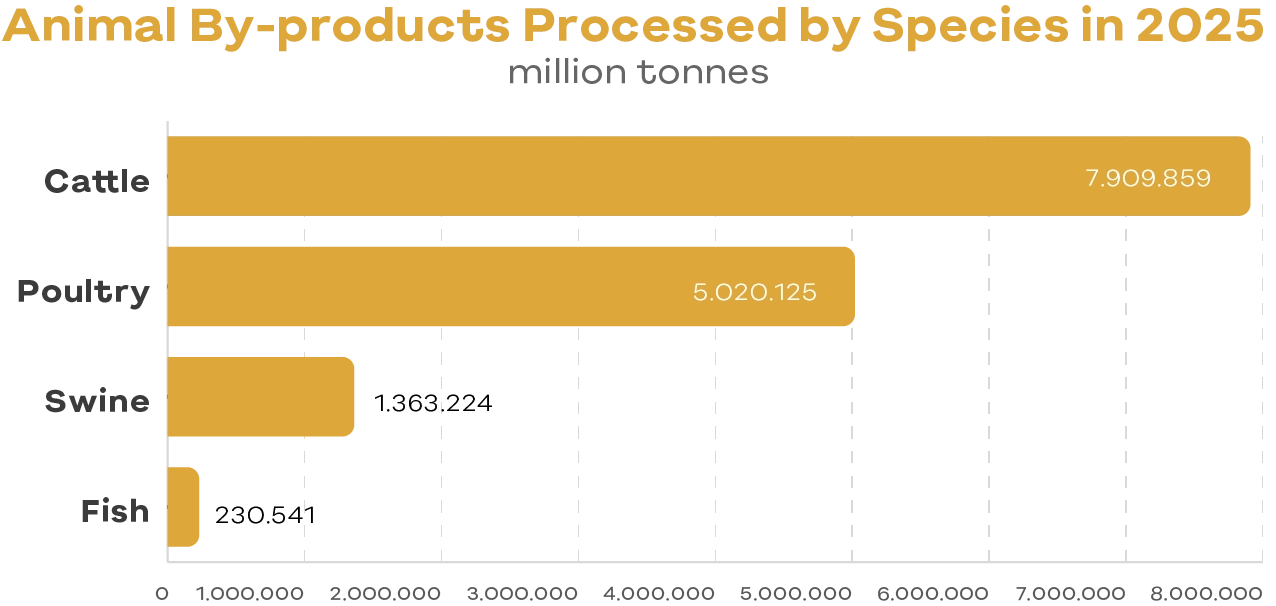
More than 14.5 million 

tonners of animal by-products processed in 2025

Contribution to 3 SDG targets

  • Increase agricultural productivity and the income of small-scale producers
  • Promote sustainable food production systems
  • Correct distortions and restrictions in global agricultural trade

Contribution to 3 SDG Indicators

  • Production volume per labour unit.
  • Agricultural area under sustainable agriculture
  • Agricultural export subsidies

ODS 6
Clean Water and Sanitation

Sector’s contribution

The rendering  promotes the responsible use of water through the wastewater treatment, the reuse of water resources, and the monitoring of water quality used in industrial processes

Key Actions:

  • Wastewater treatment
  • Water reuse
  • Water quality monitoring
  • Sustainable water resource management

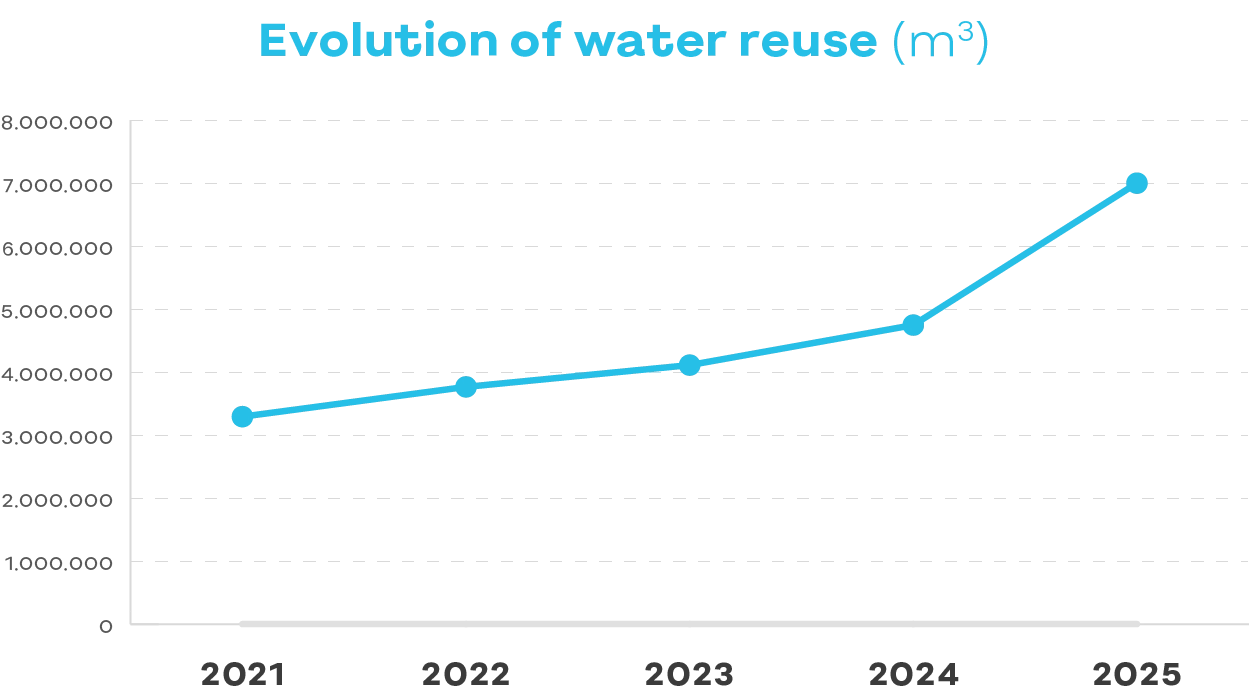
More than 23 million cubic meters

of water were reused between 2021 and 2025

Contribution to 6 SDG targets

  • Universal access to safe drinking water
  • Sanitation and hygiene for all
  • Improve water quality and increase water reuse
  • Protect water-related ecosystems
  • International cooperation on water and sanitation
  • Strengthening the participation of local communities in water and sanitation management

Contribution to 5 SDG Indicators

  • Population using safely managed drinking water services
  • Population using safely managed sanitation services and hygiene facilities
  • Proportion of wastewater safely treated
  • Environmental quality of water bodies
  • Local policies promoting community participation in water management

ODS 7
Affordable and Clean Energy

Sector’s contribution

The rendering supports a more sustainable energy matrix by supporting the production of biodiesel and biogas from animal by-products, reducing dependence on fossil fuels

Key Actions:

  • Biodiesel production
  • Biogas generation
  • Energy efficiency
  • Energy recovery from animal by-products

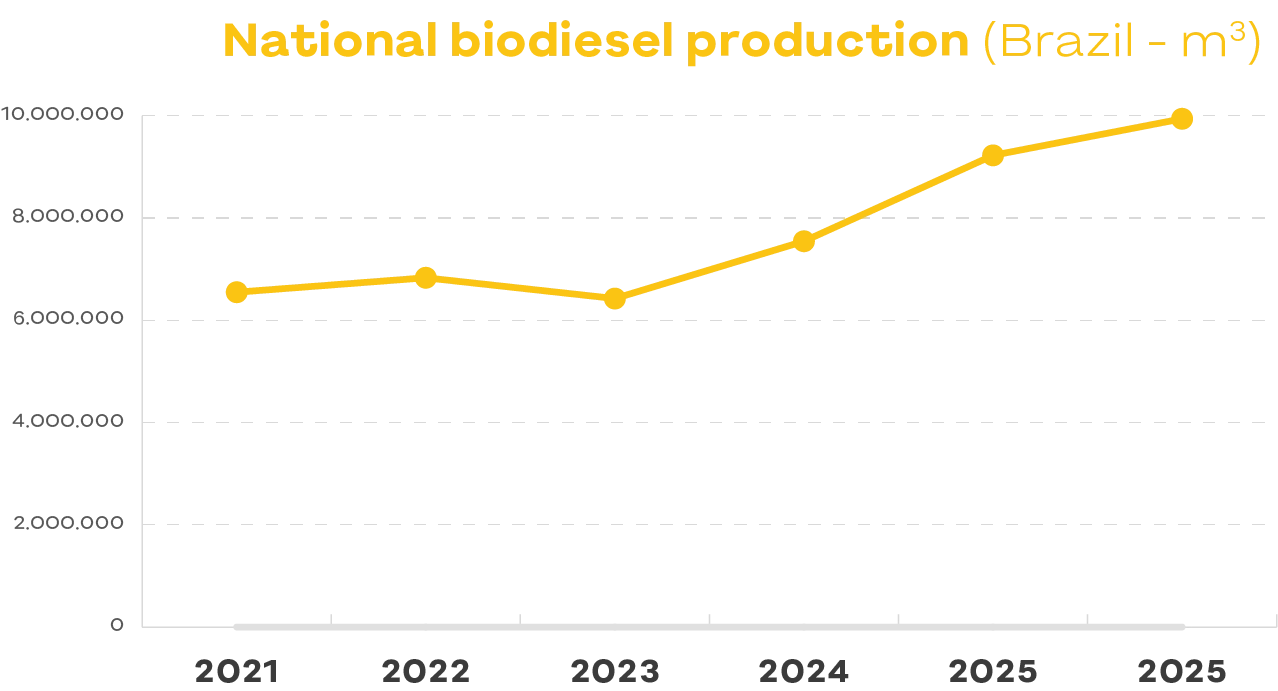
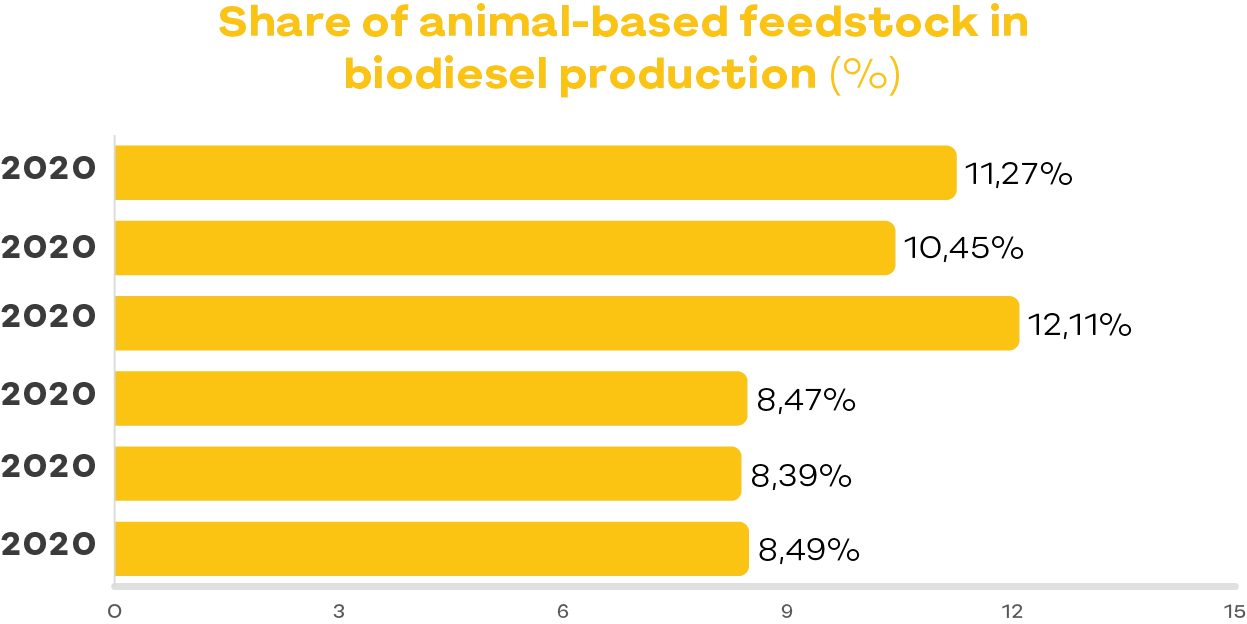
Contribution of Animal-Based Feedstocks to National Biodiesel Production

Contribution to 3 SDG targets

  • Universal access to energy
  • Improve energy efficiency
  • Promote research and investment in clean energy

Contribution to 1 SDG Indicator

Use of clean fuels and technologies by the population

ODS 8
Decent Work and Economic Growth

Sector’s contribution

By transforming animal by-products into high-value products, the rendering  industry boosts the circular economy, creates formal employment opportunities, and promotes sustainable economic development

Key Actions:

  • Job creation
  • Professional training
  • Encouragement for entrepreneurship
  • Regional economic development

Contribution to 3 SDG targets

  • Sustainable economic growth
  • Productivity growth through innovation
  • Full employment and decent work
  • Labor rights and safe environments

Contribution to 6 SDG indicators

  • Annual GDP per capita growth rate
  • GDP growth per employed person
  • Average hourly earnings
  • Unemployment rate
  • Occupational injuries
  • Compliance with labor rights

ODS 9
Industry, innovation and infrastructure

Sector’s contribution

The rendering sector continuously invests in innovation and technology to transform animal by-products into new products, making industrial processes more efficient and sustainable

Key actions:

  • Full Utilization of Animal By-Products
  • Environmental Control Technologies
  • Industrial Innovation
  • Strengthening the Circular Economy

100% of Collected

Animal By-Products Are Processed

Contribution to 4 SDG targets

  • Resilient infrastructure
  • Sustainable industrialization
  • Access for small enterprises to financial services and value chains
  • Technological development and innovation

Contribution to 4 SDG indicators

  • Manufacturing value added as a share of GDP
  • Industrial employment
  • Share of small-scale industries
  • Small-scale industries with access to credit

ODS 11
Sustainable Cities and Communities

Sector’s contribution

By ensuring the proper management of animal by-products, animal rendering reduces environmental impacts, protects public health and contributes to more sustainable cities and communities

Key Actions:

  • Proper Collection and Processing of Animal By-Products
  • Reduction of Environmental Pollution
  • Support for Sustainable Waste Management
  • Protection of Public Health

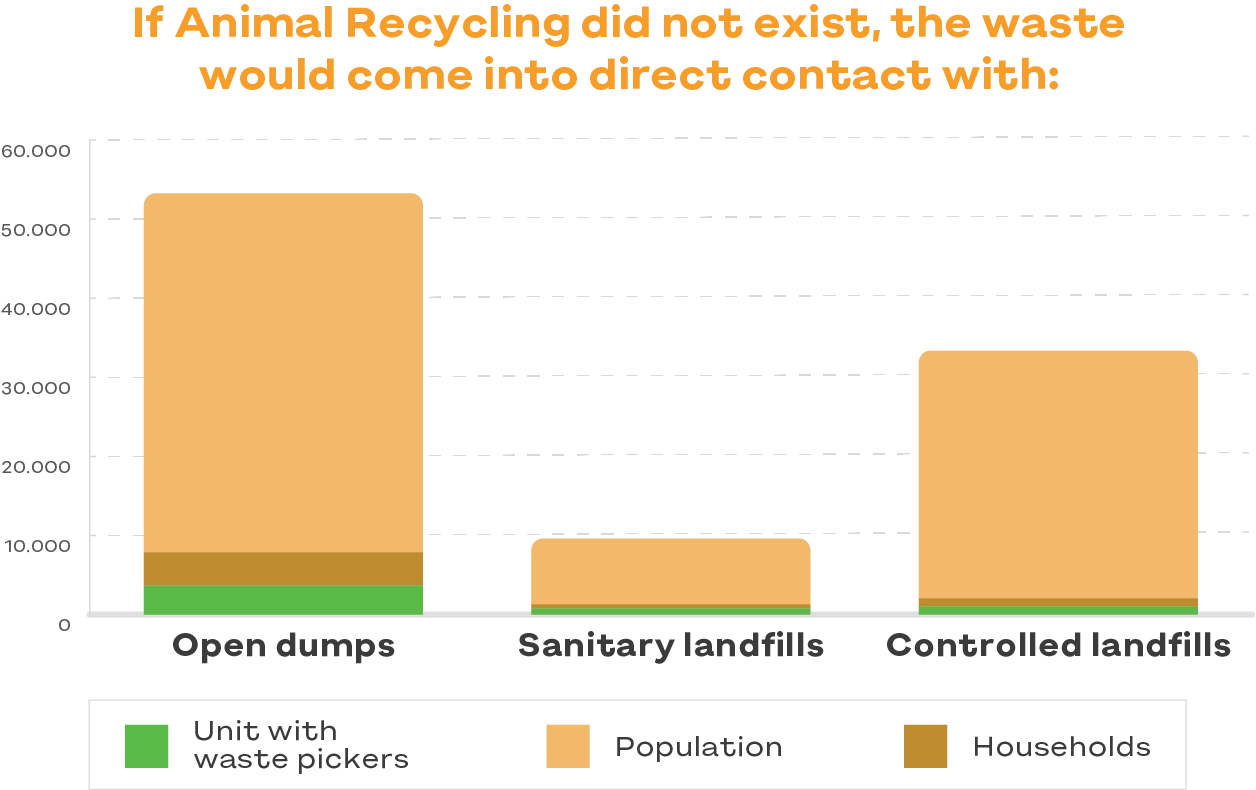
Reduction of Waste Disposal in Landfills and Open Dumps

Contribution to 3 SDG targets

  • Sustainable urbanization
  • Protection of cultural and natural heritage
  • Reduce the environmental impact of cities

Contribution to 4 SDG indicators

  • Land consumption vs. population growth
  • Expenditures on heritage preservation
  • Proper solid waste management
  • Air quality (PM2.5 and PM10)

ODS 12
Responsible Consumption and Production

Sector’s contribution

The rendering sector  transforms animal by-products into new products, such as meals, fats and oils, biodiesel, and fertilizers, reducing waste and strengthening the circular economy

Key actions:

  • Transformation of Animal By-Products into New Products
  • Circular Economy
  • Waste Reduction
  • Full Utilization of Resources

100% of Collected

Animal By-Products Are Processed

Contribution to 9 SDG targets

  • Sustainable production and consumption
  • Efficient use of natural resources
  • Reduction of food loss and waste
  • Environmentally sound waste management
  • Waste generation reduction
  • Corporate sustainability reporting
  • Sustainable public procurement
  • Education for sustainable development
  • Strengthening scientific and technological capacity

Contribution to 7 SDG Indicators

  • Countries with sustainable production policies
  • Food loss and waste index
  • Compliance with environmental agreements
  • Hazardous waste safely treated
  • National recycling rate
  • Companies publishing sustainability reports
  • Countries with sustainable public procurement policies

ODS 13
Climate Action

Sector’s contribution

The rendering repurposes organic animal by-products into energy and new products, reducing greenhouse gas emissions and contributing to a low-carbon economy

Key Actions:

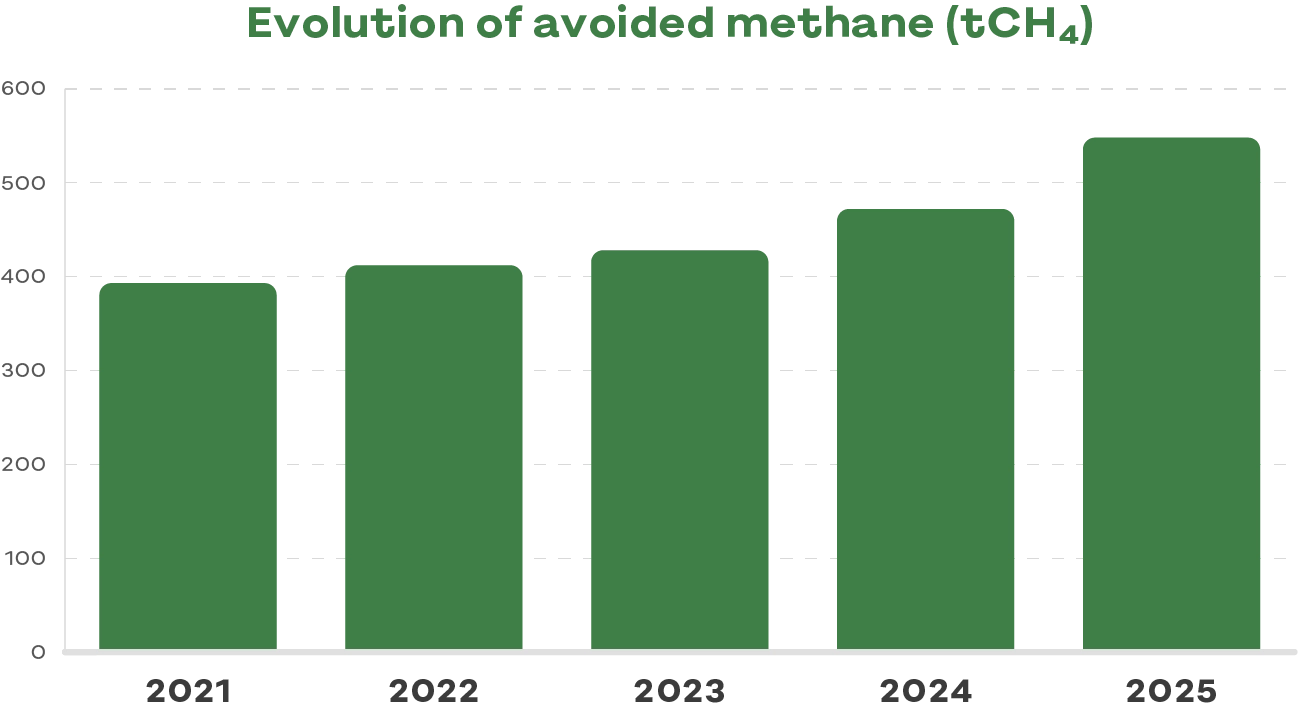
  • Methane emissions reduction
  • Bioenergy production
  • Resource reuse
  • Sustainable technologies

Contribution to 2 SDG targets

  • Climate change resilience
  • Integration of climate change into public policies

Contribution to 2 SDG Indicators

  • Countries with climate strategies
  • Total greenhouse gas emissions per year
By 2025, we had avoided 2.252 MtCH₄

Climate impact equivalent to 14 million cars operating for one year

ODS 14
Life Below Water

Sector’s contribution

Animal rendering prevents animal waste from being disposed of in rivers, lakes, and other bodies of water, thereby helping to preserve aquatic ecosystems

Key Actions:

  • Wastewater treatment
  • Protection of water resources
  • Proper waste processing
  • Development of sustainable technologies

More than 5,000 rivers

protected from contamination

More than 100

aquifers protected

Contribution to 2 SDG targets

  • Reduction of marine pollution
  • Economic benefits from the sustainable use of marine resources

Contribution to 1 SDG Indicators

Sustainable fisheries as a proportion of GDP

ODS 15
Life on Land

Sector’s contribution

Animal rendering promotes the responsible use of organic waste, reducing pressure on landfills, protecting terrestrial ecosystems, and contributing to the conservation of biodiversity

Key Actions:

  • Protection of biodiversity
  • Reduction of waste disposal in landfills
  • Conservation of ecosystems
  • Sustainable management of natural resources

Contribution to 3 SDG targets

  • Conservation of terrestrial ecosystems
  • Combating land degradation
  • Protection of biodiversity and prevention of species extinction

Contribution to 3 SDG Indicators

  • Forest area
  • Protected areas important for biodiversity
  • Proportion of degraded land

What are the SDGs?

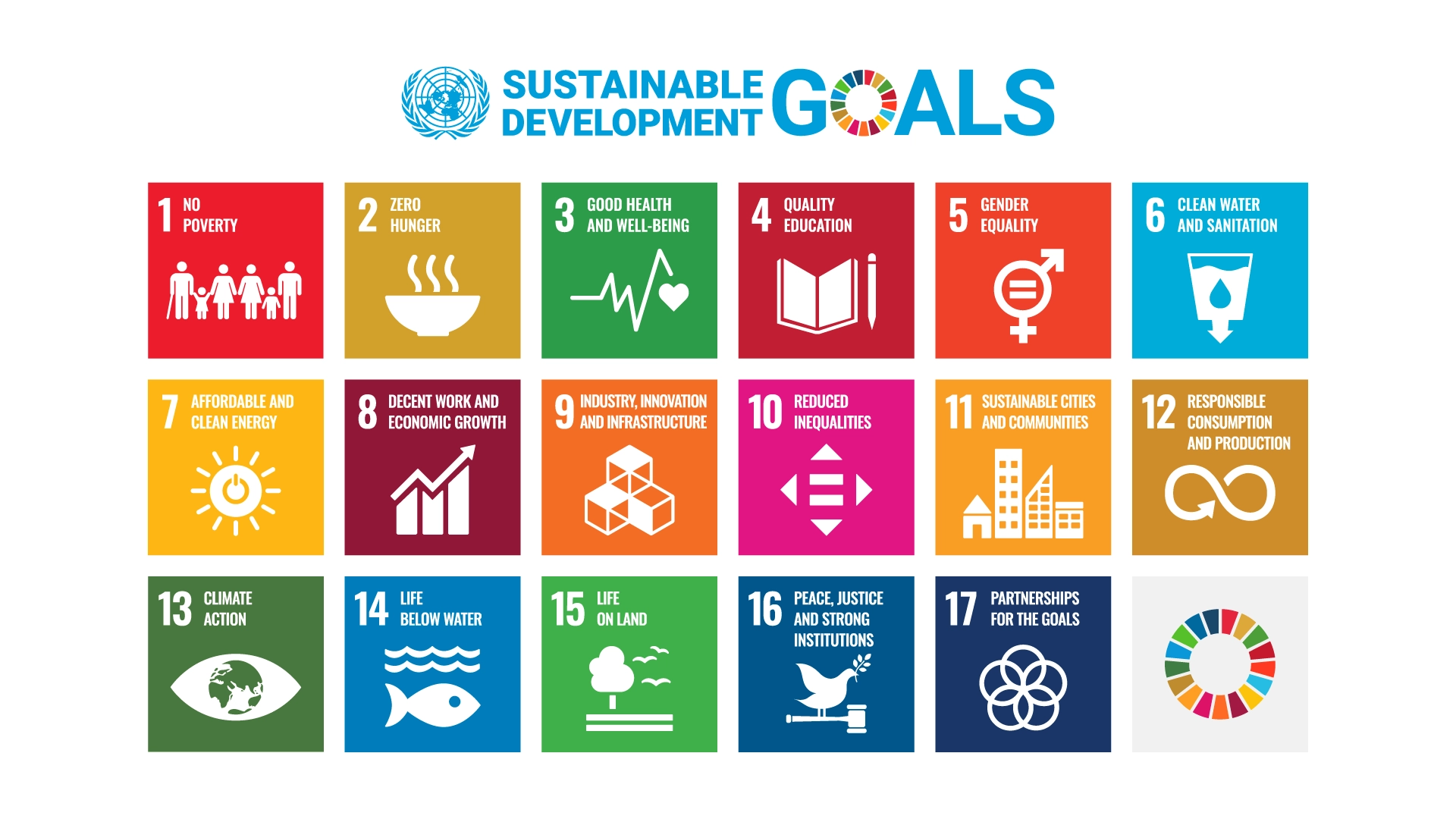
The Sustainable Development Goals (SDGs) are a global agenda established by the United Nations to promote economic, social, and environmental development by 2030.

In general, there are 17 Goals that provide a framework that guides governments, businesses, and organizations in building a more sustainable future.

The rendering  industry is directly related to several of these goals by advancing through the circular economy, environmental preservation, and promotion of responsible use of natural resources.

Privacy Overview

This website uses cookies so that we can provide you with the best user experience possible. Cookie information is stored in your browser and performs functions such as recognising you when you return to our website and helping our team to understand which sections of the website you find most interesting and useful.