Use of animal meals in animal feed

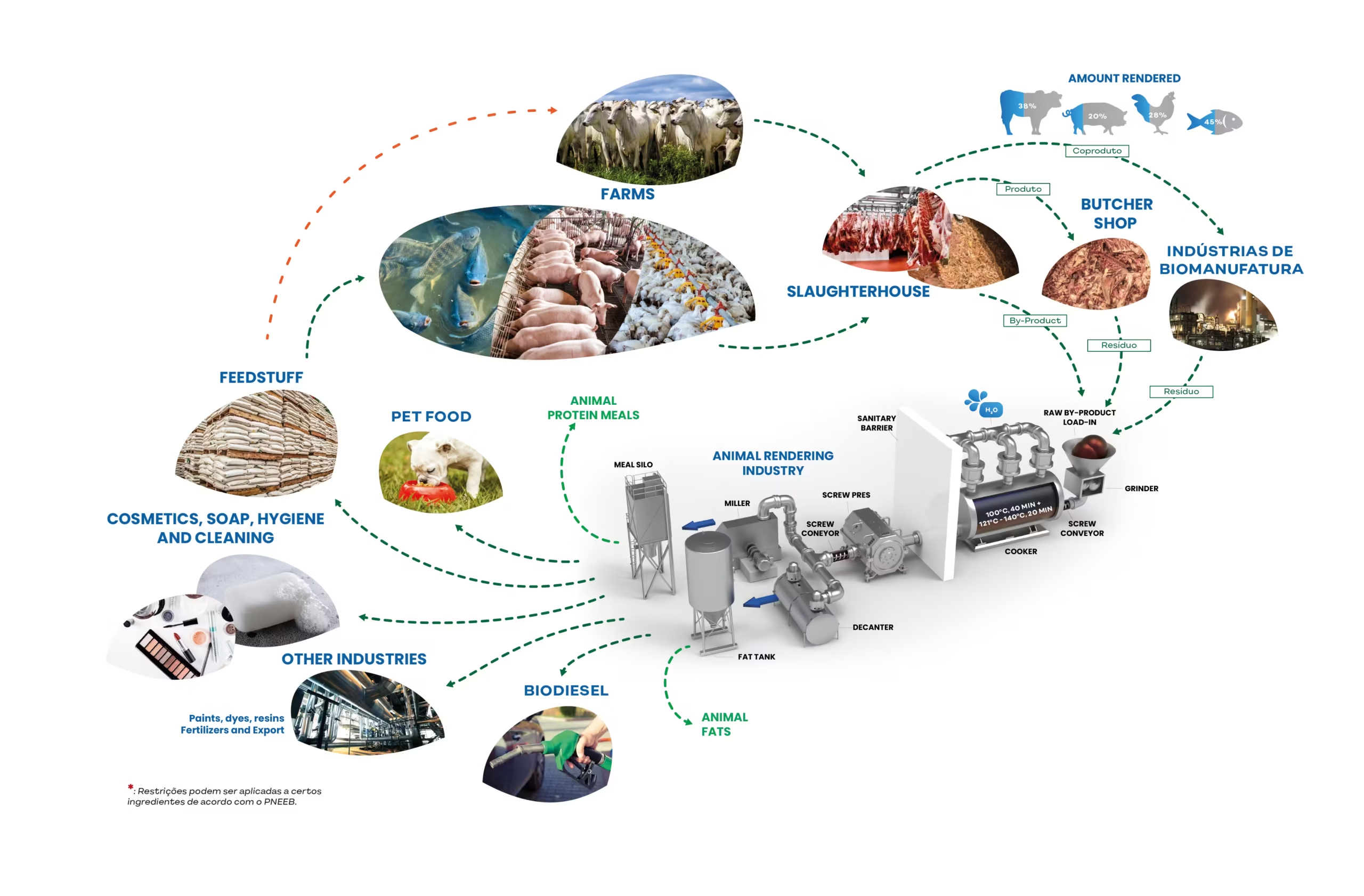
Processed animal ingredients are produced from the controlled use of slaughter by-products, entering a technified and rigorously standardized industrial system. In Brazil, this sector operates under official supervision of the Ministry of Agriculture and Livestock, with mandatory adoption of structured self-control programs, including good manufacturing practices, hazard analysis and critical control points (HACCP) and complete traceability systems. This regulatory framework ensures quality, standardization and health safety, meeting the requirements of the most stringent international markets.

The production chain begins with the collection of raw material from slaughter establishments under official inspection. This process is conducted under strict sanitary protocols, with transport carried out in dedicated vehicles, subjected to continuous cleaning and disinfection procedures. Traceability is ensured through sanitary documentation throughout the logistics flow. The interval between the generation of the raw material and its industrial processing is strictly controlled, and must occur within 24 hours, ensuring the preservation of the quality of the material and the mitigation of health risks.

Industrial processing comprises cooking, phase separation and drying steps, conducted under controlled temperature, pressure and time conditions. These operational parameters are sufficient to ensure the inactivation of pathogens and the microbiological stability of the final products, ensuring compliance with international biosafety standards.

Although the main focus of this document is centered on the nutritional, economic and strategic benefits of these ingredients, it should be noted, in a complementary way, that their production is associated with the efficient use of previously available biomass. This process contributes to the reduction of waste and to greater efficiency in the use of resources, aligning itself, albeit in a secondary way, with concepts of circular bioeconomy and the mitigation of the carbon footprint of production systems.

In a global context marked by increasing volatility in the supply of plant proteins, industrial amino acids and essential minerals, building more autonomous, efficient and resilient animal production systems has become a strategic priority. The high dependence on imported inputs, especially protein and mineral sources, exposes production to price fluctuations, logistics costs and supply uncertainties. In this scenario, processed animal ingredients, such as meals and fats, stand out as technically consolidated solutions, with health safety, capable of providing a single nutritional matrix with highly digestible protein, essential amino acids and minerals such as calcium and phosphorus in highly bioavailable forms. Their use allows not only to optimize the cost of formulations and reduce dependence on external inputs, but also to increase production predictability, contributing directly to national food security strategies and strengthening large-scale animal production.

THE TYPES OF MEALS

Meat and bone meal

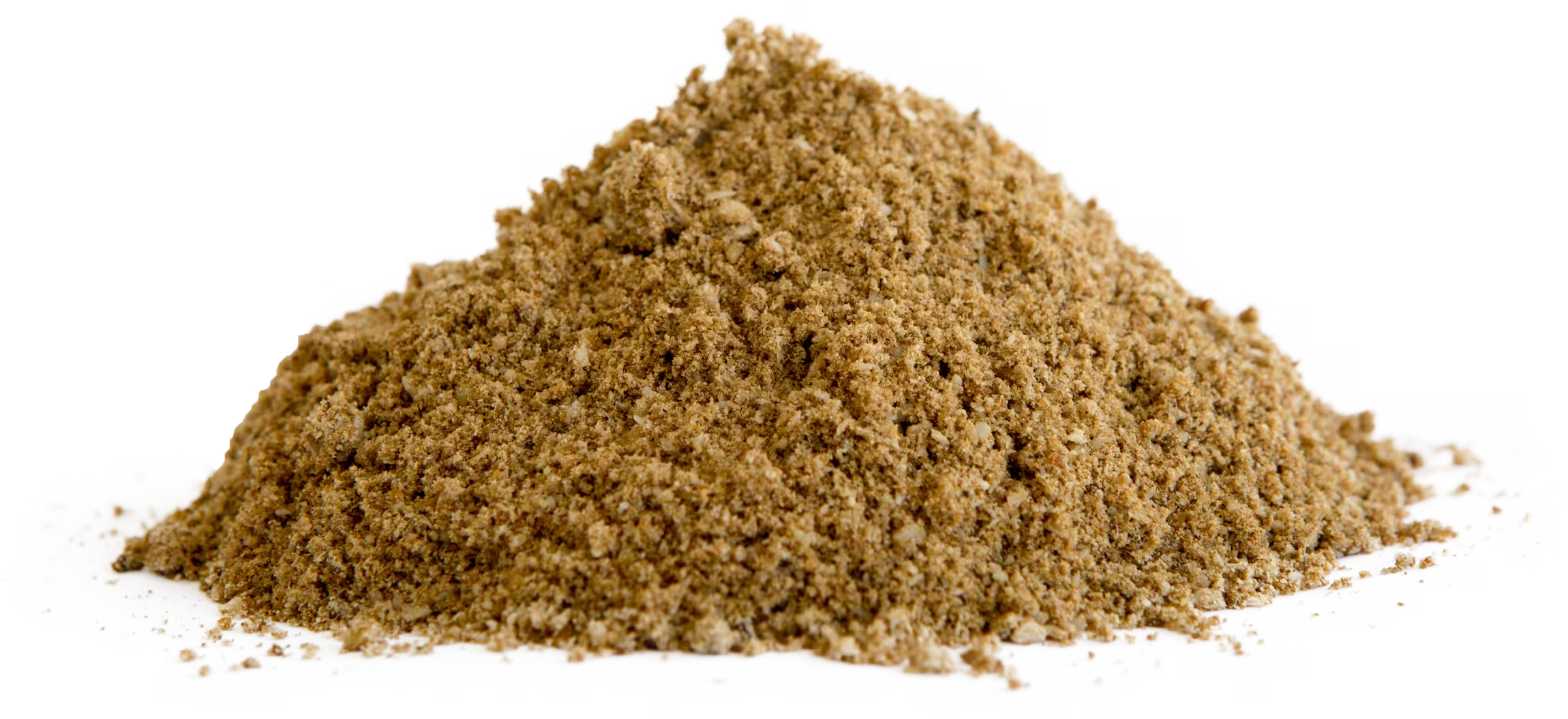
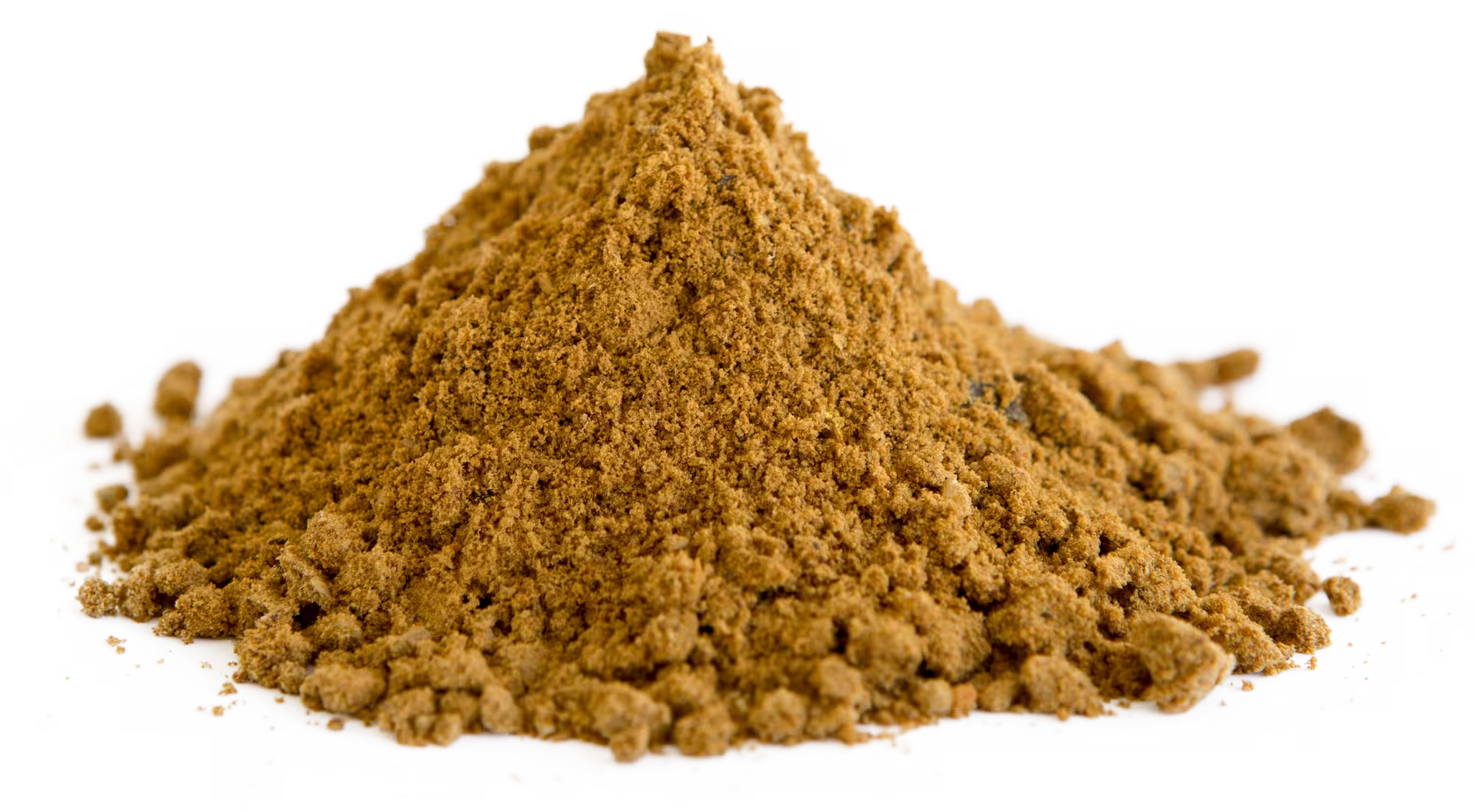
Meat and bone meal (MBM) consists of a protein ingredient of animal origin obtained from the controlled thermal processing of tissues from slaughter, including meat shavings, cartilage and bones, with subsequent removal of moisture and lipid fraction. It is a widely consolidated input in animal nutrition due to its high concentration of crude protein, balanced profile of essential amino acids and high density of macrominerals, especially calcium and phosphorus in highly bioavailable forms.

The composition of meat and bone meal can vary according to the species of origin and the processes adopted by the rendering industries, being commonly classified according to the crude protein content. Meals with higher protein content (above 50%) generally have lower mineral content, while those with lower protein content (around 40%) tend to be richer in ash, with emphasis on highly bioavailable phosphorus and calcium in biologically active forms. These variations make the ingredient versatile, allowing it to be suitable for different nutritional purposes, either as a main source of protein or as a mineral corrector in formulations.

From a technical and economic point of view, bovine meat and bone meal has particularly relevant advantages in scenarios of high dependence on imported inputs, especially with regard to macro minerals such as calcium, phosphorus and nitrogen. Unlike inorganic mineral sources, often imported and subject to logistical and exchange rate fluctuations, meat and bone meal provides these nutrients in biologically available (or bioavailable) forms, with high absorption and retention efficiency, reducing the need for additional supplementation and increasing the predictability of formulation costs.

In pig farming, especially in the growing and finishing phases, beef and bone meal has high digestibility of essential amino acids and phosphorus, with digestibility coefficients often greater than 70% for phosphorus, allowing its use as a total substitute for mineral phosphates, and partial of limestone.

Studies show that diets containing meat and bone meal maintain zootechnical performance equivalent to that of diets based exclusively on soybean meal, when correctly balanced, with a significant reduction in the cost per unit of digestible protein. In addition, its inclusion contributes to the reduction of the need for synthetic amino acids, especially lysine and threonine, whose international pricing is directly linked to the exchange rate and volatility of the global market.

In poultry farming, its use is particularly strategic in the growth phases of broiler chickens and in egg production in laying hens. Meat and bone meal provides highly available calcium and phosphorus, essential for bone mineralization, prevention of locomotor disorders (such as tibial dyschondroplasia and crooked leg), and eggshell formation. The superior bioavailability of these minerals allows the reduction or partial replacement of inorganic phosphates, directly impacting the cost of the diet. In addition, the presence of structural proteins, such as collagen, contributes to the development of the skeletal system, while the amino acid profile assists in maintaining productive performance. Another relevant aspect is the absence of anti-nutritional factors, common in vegetable ingredients such as soybean meal, which reduces the dependence on the use of exogenous enzymes, such as phytases, often used to increase the availability of vegetable phosphorus. Although phytase remains a useful tool in modern formulations, the inclusion of meat and bone meal allows greater nutritional flexibility and reduces the total cost of the diet.

In aquaculture, especially in omnivorous and carnivorous species during intensive growth phases, bovine meat and bone meal is a technically viable alternative to fish meal, presenting an amino acid profile compatible with the requirements of these species and contributing to the maintenance of zootechnical performance. Studies indicate that its inclusion at moderate levels does not compromise growth, feed conversion or protein retention, while significantly reducing the cost of formulations. The presence of highly available phosphorus also contributes to the mineral metabolism of fish, improving nutritional efficiency and reducing environmental losses, which contribute to eutrophication in fish production areas.

In the case of ruminants, although the use of animal proteins is regulated in several countries, from a nutritional perspective, meat and bone meal has characteristics of low ruminal degradability protein, and can act as a source of bypass protein, contributing to the contribution of amino acids in the small intestine in production systems where its use is authorized.

Strategically, bovine meat and bone meal should be understood not as a full substitute for soybean meal, but as a complementary ingredient of high nutritional and economic value, capable of contributing to the reduction of dependence on imported vegetable proteins. Its inclusion at technically adequate levels allows optimizing the balance between cost and performance, aligning with food security policies aimed at diversifying protein sources and greater autonomy in feed formulation.

In addition, the ingredient has robust health advantages, which are fundamental for international trade. Production is based on raw materials from inspected animals, in a traceable production chain, with strict exclusion of specific risk materials associated with Bovine Spongiform Encephalopathy (BSE) according to the World Organisation for Animal Health (WOAH) guidelines. Industrial processing takes place under controlled temperature and pressure conditions, with internationally recognized parameters, including heat treatments above 133°C under pressure, ensuring high microbiological safety and stability of the final product. The full traceability of the production chain ensures transparency and compliance with international regulatory requirements, allowing complete monitoring from origin to destination of the product.

From an environmental point of view, the use of meat and bone meal contributes to the full use of by-products of the slaughter industry, reducing biomass waste and promoting greater efficiency in the use of natural resources.

Thus, bovine meat and bone meal is consolidated as a strategic ingredient for modern animal production systems, bringing together high nutritional density, health security, continuous supply (see Brazilian slaughter numbers and records), economic predictability and the ability to contribute to reducing dependence on imported inputs, especially vegetable proteins and inorganic minerals.

In the following table, we can see the composition of three types of meat and bone meal according to the crude protein content:

WP Table Builder

Blood meal

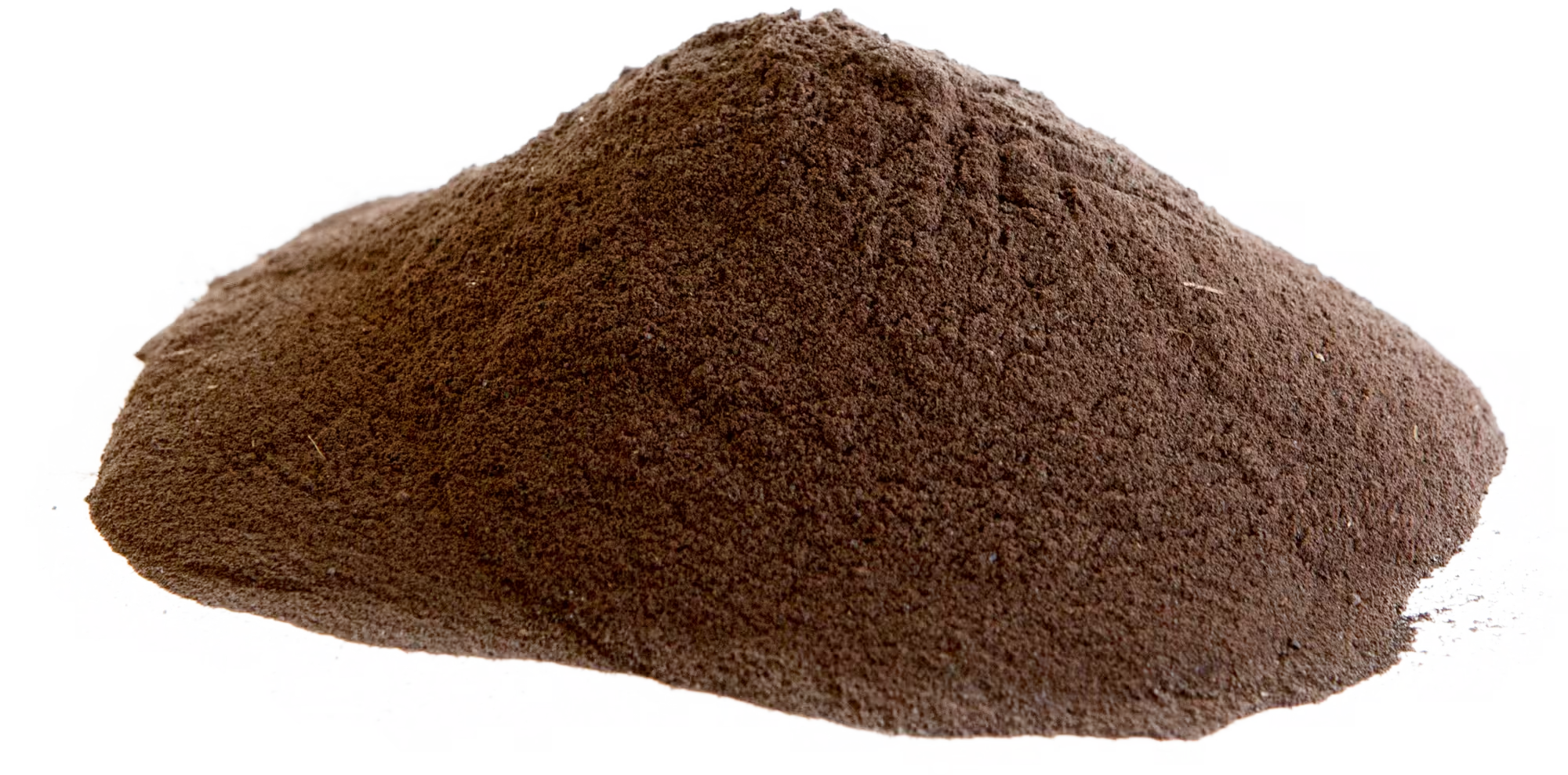
Blood meal is a protein ingredient of very high biological value obtained from fresh blood collected during the slaughter of animals. After removing moisture through processes such as ring, batch or disc drying, the blood is transformed into a fine reddish-brown powder with a high concentration of crude protein, usually greater than 85%. The final quality of the product depends, to a large extent, on the drying method used, ring drying being a technology that provides good protein digestibility.

From a nutritional point of view, blood meal stands out for its highly concentrated amino acid profile, with an emphasis on lysine, threonine, valine and arginine. The high concentration of lysine is particularly relevant, since this is the main limiting amino acid in diets based on corn and soybean meal. In this way, the inclusion of blood meal allows for precise adjustments in amino acid balance, contributing to efficient protein synthesis and reducing the need for supplementation with synthetic amino acids, the costs of which are directly associated with the volatility of the international market and the exchange rate variation of the dollar.

In addition to its function as a protein source, blood meal has high levels of highly bioavailable iron (see Table 2), predominantly in the form of heme iron, whose absorption is significantly higher than that of inorganic mineral sources. Iron plays an essential role in hemoglobin and myoglobin synthesis, oxygen transport, oxidative enzyme activity, and energy metabolism. The presence of this micronutrient in a highly assimilable form makes blood meal a relevant functional ingredient for maintaining mineral status, productive performance and physiological integrity of animals.

In pig farming, the use of blood meal is particularly effective in the growth and finishing phases, in which the demand for essential amino acids and iron is high. Inclusion levels between 3% and 5% are widely used in balanced formulations, promoting improvement in feed conversion, weight gain and nutrient utilization efficiency. In addition, the presence of highly available iron contributes to the maintenance of adequate hemoglobin levels, favoring the metabolic performance of animals. In the early stages (daycare rations), although the use of spray dried plasma is more common, blood meal can act as a protein and mineral complement in subsequent diets, reducing costs associated with synthetic supplementation while contributing to the supply of iron to piglets.

In poultry farming, blood meal can be used mainly in the growth phases of broiler chickens, at moderate levels, usually between 1% and 3%, contributing to the supply of lysine and threonine, essential for muscle protein deposition. The presence of bioavailable iron also contributes to energy metabolism and oxygen transport capacity, factors directly related to productive performance. Although high levels of inclusion may be limited for palatability and digestibility reasons, studies demonstrate that, when properly balanced with other protein sources, their inclusion does not compromise performance and can result in improvements in feed efficiency. In intensive production systems, including Asian formulations, blood meal is often used as an ingredient for fine-tuning the amino acid profile, reducing dependence on industrial amino acids.

In aquaculture, blood meal has high protein digestibility and an amino acid profile compatible with the requirements of omnivorous and carnivorous species. Its inclusion at levels between 5% and 10%, depending on the species and formulation, allows partial replacement of higher cost ingredients, such as fishmeal, without impairing growth or feed conversion. The iron present in blood meal plays an important role in fish respiratory metabolism, contributing to physiological efficiency in intensive systems. Its use also reduces the need for additional mineral supplementation, increasing the overall nutritional efficiency of the diet.

From a strategic perspective, blood meal contributes directly to the security of supply of essential nutrients, especially protein nitrogen and iron, reducing dependence on imported inputs subject to variations in price and availability. Its use should be understood as complementary to plant sources, allowing greater flexibility in formulation and contributing to policies to gradually reduce external dependence on strategic ingredients, in addition to contributing to the palatability of feed.

With regard to health safety, the production of blood meal follows strict inspection standards and control, with raw material from animals approved in official inspections. Proper thermal processing ensures the reduction of microbiological risks, while traceability systems ensure control and transparency throughout the production chain.

Thus, blood meal is consolidated as an ingredient of high nutritional, mineral and economic value, with the ability to act simultaneously as a highly concentrated protein source, amino acid adjustment tool and bioavailable iron supply, contributing to the technical and financial optimization of formulations in modern animal production systems.

Hydrolyzed feather meal

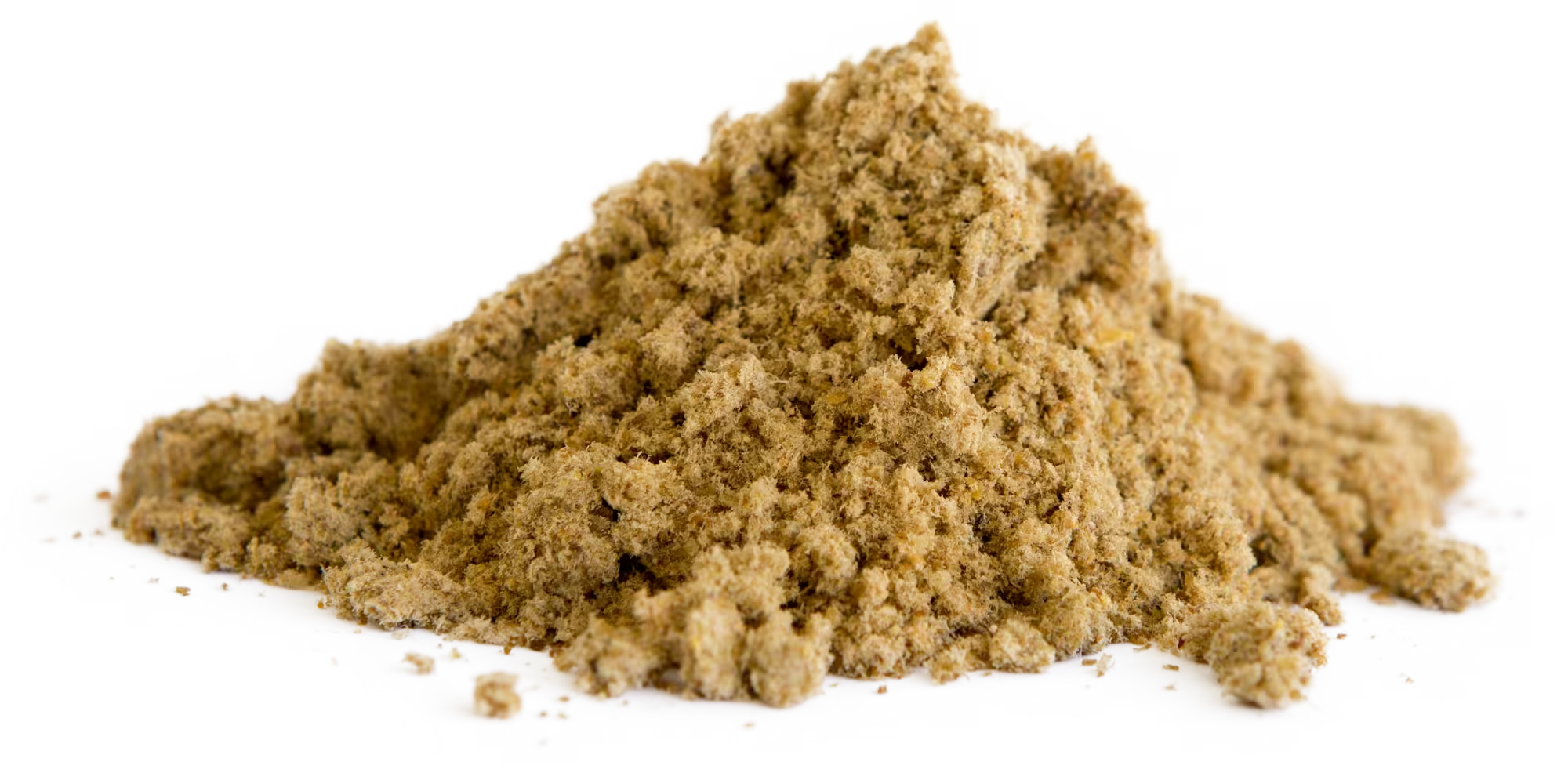
Hydrolyzed feather meal is a concentrated protein source derived from the processing of poultry feathers, whose original structure is predominantly composed of keratin, a fibrous protein highly resistant to enzymatic digestion.
The conversion of this material into a nutritionally viable ingredient depends on the disruption of the disulfide bonds that stabilize the keratin molecule, a process that can be carried out by different technological routes, including thermal, chemical or enzymatic/biological hydrolysis.

Among these approaches, thermal hydrolysis under pressure is the most widely used technology on an industrial scale, especially in Brazil, due to its operational efficiency, process standardization and sanitary robustness. This method uses controlled combinations of temperature, pressure and time to promote the breakdown of the protein matrix, resulting in the formation of peptides and amino acids with greater digestive accessibility.

The nutritional quality of the hydrolyzed feather meal is directly associated with the degree of hydrolysis achieved during processing. The process allows obtaining an ingredient with protein digestibility greater than 75%, and crude protein content often above 80%. Its amino acid profile is characterized by the high concentration of sulfurized amino acids, in greater proportion to cysteine and methionine, and relevant contents of arginine, glycine, serine and valine, as exemplified in table 2. On the other hand, it has limitations in lysine and tryptophan, which reinforces its use as a complementary ingredient within amino acid balance strategies.

In diets based on corn and soybean meal, methionine and cysteine often pose nutritional limitations and rely on synthetic supplementation. In this context, the inclusion of feather meal partially reduces this dependence, contributing to greater economic stability of the formulation, especially in scenarios of high volatility in the international market for industrial amino acids.

For pig farming, hydrolyzed feather meal is mainly used in the growth and termination phases, as a complementary source of protein and sulfurized amino acids. Its inclusion, usually at levels between 2% and 4%, contributes to the reduction of the protein cost of the diet, as long as it is associated with sources rich in lysine. The strategic combination of ingredients allows optimizing the total amino acid profile, reducing the need for synthetic amino acids and increasing the economic efficiency of the formulation.

In broiler production, the use of hydrolyzed feather meal has been shown to be particularly relevant in the intermediate and final stages of growth, when there is a high demand for sulfurized amino acids for body protein deposition and plumage development. Studies conducted in Asian production systems indicate that inclusion levels between 2% and 5%, when associated with complementary protein sources of lysine, maintain zootechnical performance and feed efficiency, without negative impacts on weight gain or feed conversion, with cases in which improvement was detected. In commercial laying hens, the adequacy of the sulfurized amino acid profile is related to the productive persistence and quality of the eggs, and feather meal is a viable alternative for fine-tuning the formulation. In turkeys, studies indicate that the use of feather meal may favor body weight gain when correctly balanced in the formulation.

In aquaculture, hydrolyzed feather meal has been used as an alternative ingredient in partial replacement of fish meal, especially in diets for omnivorous species. Its high protein concentration and the presence of low molecular weight peptides, when properly processed, allow its inclusion at moderate levels without prejudice to productive performance. However, its use requires proper balancing with other protein sources to compensate for limitations in specific amino acids.

Pets also use it. Hydrolyzed feather meal has a different application, especially in hypoallergenic diets and formulations with hydrolyzed proteins. The presence of low molecular weight peptides reduces antigenic potential, making the ingredient suitable for diets aimed at food-sensitive animals, expanding its added value in this market.

This partial replacement that hydrolyzed feather meal offers directly impacts the cost per ton of feed, in addition to reducing the exposure to exchange rate fluctuations associated with the international input market.

Additionally, because it does not present relevant antinutritional factors, its inclusion contributes to greater predictability in nutrient digestibility, reducing dependence on enzymatic additives. Its use should be interpreted as complementary to plant sources, allowing greater nutritional and economic flexibility.

This ingredient is produced from raw material from inspected slaughterhouses, being subjected to thermal processing under conditions capable of ensuring the inactivation of pathogens, ensuring health safety. Strict control of production parameters, combined with traceability along the chain, ensures quality and compliance with international requirements.

Therefore, hydrolyzed feather meal is an ingredient of specific technical application, with high potential for economic optimization of formulations, supply of sulfurized amino acids and strengthening the resilience of animal production systems.

Offal meal

Poultry offal meal is obtained from the processing of by-products and residues from poultry slaughter, excluding feathers and blood. This by-product includes offal, meat shavings, cartilage and bones, which, after cooking, pressing and drying, a product with high nutritional density is obtained, characterized by high crude protein contents (usually between 55% and 65%) and ethereal extract (10% to 15%) as shown in table 2, in addition to excellent digestible amino acid profile. It is a highly nutritious, stable and homogeneous ingredient, widely used in the feeding of dogs, cats, poultry, pigs and aquatic species.

Its nutritional composition is marked by high crude protein contents, excellent digestibility and a balanced amino acid profile, in addition to containing lipids with high oxidative stability, especially when treated with antioxidants shortly after processing. Poultry offal meal is also a source of minerals such as calcium, phosphorus and sodium, being a versatile and functional ingredient within the formulations.

Offal meal can be widely used in broiler diets at all stages of production, from the initial period to termination, making up a significant fraction of the protein matrix of the diet. Inclusion levels between 5% and 10% are common in commercial formulations, and can be adjusted according to ingredient quality and nutritional balance. Its high palatability contributes to higher feed consumption, especially in early stages, positively impacting weight gain and batch uniformity. In commercial laying hens, its inclusion contributes to the balanced supply of essential amino acids, favoring the persistence of laying and the quality of eggs.

In aquaculture, this ingredient represents one of the main alternatives to fishmeal. Its use in diets for tilapia, carp and in the feeding of high-performance carnivorous fish has notable advantages. It is an ingredient with excellent sensory attractiveness, which translates into high palatability and higher voluntary consumption, especially in extruded diets. In addition, it provides fundamental amino acids such as lysine, methionine, arginine and glycine, being particularly useful for composing more complete diets from a protein point of view. Inclusion levels can vary between 5% and 15%, depending on the species and formulation.

In the diet of dogs and cats, this meal is widely used due to its high palatability and digestibility, being one of the main ingredients in premium and super premium feed. Its use contributes to food acceptance and nutritional quality of the final product, providing essential amino acids, in addition to essential fatty acids (such as linoleic acid).

In piglets, it can be used at lower levels, associated with highly digestible ingredients, contributing to post-weaning feed adaptation. The amino acids present in offal meal are important for tissue development and intestinal integrity, favoring enteric health through modulation of the microbiota and reinforcement of the intestinal mucosa. For the growth and termination phases, one can work with inclusion levels generally between 3% and 8%: its high digestibility and amino acid profile contribute to weight gain and feed efficiency.

Its use contributes directly to reducing dependence on fishmeal and vegetable sources such as soybean meal, while offering advantages in terms of cost, stability and sustainability. This double substitution (partial of vegetable protein and industrial amino acids) has a direct impact on the final cost of the feed. In large-scale production systems, such as those seen in China, this reduction represents significant financial gains and greater predictability of costs.

In addition, offal meal contributes to the supply of minerals such as phosphorus and calcium in bioavailable forms, reducing dependence on imported inorganic sources, a critical point considering the dependence on fertilizers and external minerals.

WP Table Builder

The results presented throughout this document demonstrate that animal meals are ingredients of high nutritional density, capable of providing, in an integrated manner, essential and functional amino acids, highly bioavailable minerals and bioactive compounds with relevant effects on the productive performance and health of the animals. The presence of nutrients such as lysine, methionine, threonine and arginine, combined with functional amino acids such as glycine, taurine and hydroxyproline, directly contributes to metabolic efficiency, intestinal integrity, immune response and protein deposition in different species.

In addition, the supply of macrominerals such as calcium and phosphorus in forms of high biological availability represents a relevant technical differential, especially in scenarios characterized by restrictions on access to conventional mineral sources.

The integration of these nutrients into a single food matrix allows for greater precision in formulation and better use of available nutritional resources.

From an economic perspective, the use of these meals makes it possible to optimize the cost of diets through the partial replacement of vegetable ingredients and synthetic inputs, such as industrial amino acids and inorganic mineral sources. This characteristic gives greater stability to formulations, reducing exposure to market fluctuations and contributing to greater predictability in large-scale production systems.

The application of these ingredients in different species (poultry, pigs, fish and pets) shows their versatility and consistency of performance, making it possible to adjust inclusion levels according to the nutritional requirements of each phase or necssity, without compromising the zootechnical results.

In this context, animal meals should be understood not only as complementary nutritional sources, but as strategic formulation tools, capable of simultaneously contributing to productive efficiency, economic balance and greater autonomy in the supply of essential nutrients.

Thus, its incorporation into modern nutritional programs represents a technically consistent approach and aligned with the current demands of animal production, offering a solid basis for more efficient, resilient and competitive systems.

Hendriks, W. H., M. W. A. Verstegen, and L. Babinszky. “Nutritional Quality and Variation of Meat and Bone Meal.” Asian-Australasian Journal of Animal Sciences, vol. 15, no. 10, 2002, pp. 1507–1516.

Parsons, C. M., F. Castanon, and Y. Han.“Protein and Amino Acid Quality of Meat and Bone Meal.” Poultry Science, vol. 76, no. 2, 1997, pp. 361–368. https://doi.org/10.1093/ps/76.2.361

Mutucumarana, R. K., et al. “Measurement of True Ileal Phosphorus Digestibility in Meat and Bone Meal for Broiler Chickens.” Poultry Science, vol. 94, no. 7, 2015, pp. 1611–1618. https://doi.org/10.3382/ps/pev132Sulabo, R. C., and Hans H. Stein. “Digestibility of Phosphorus and Calcium in Meat and Bone Meal Fed to Growing Pigs.” Journal of Animal Science, vol. 91, no. 3, 2013, pp. 1285–1294.

Traylor, S. L., et al. “Bioavailability of Phosphorus in Meat and Bone Meal for Swine.” Journal of Animal Science, vol. 83, no. 5, 2005, pp. 1054–1061. https://doi.org/10.2527/2005.8351054x

Nengas, I., M. N. Alexis, and S. J. Davies. “Meat and Bone Meal as a Replacement for Fish Meal in Diets for Gilthead Seabream (Sparus aurata).” Aquaculture, vol. 210, no. 1–4, 2002, pp. 357–368.

Tacon, A. G. J., and M. Metian. “Global Overview on the Use of Fish Meal and Fish Oil in Industrially Compounded Aquafeeds: Trends and Future Prospects.” Aquaculture, vol. 285, no. 1–4, 2008, pp. 146–158.
https://doi.org/10.1016/j.aquaculture.2008.08.015

World Organisation for Animal Health. Terrestrial Animal Health Code – Bovine Spongiform Encephalopathy (Chapter 11.4). https://www.woah.org/en/what-we-do/standards/codes-and-manuals/terrestrial-code-online-access/

Kats, L. J., et al. “Effects of Spray-Dried Blood Products on Growth Performance of Nursery Pigs.” Journal of Animal Science, vol. 72, no. 11, 1994, pp. 2860–2869. https://doi.org/10.2527/1994.72112860x

Almeida, F. N., and H. H. Stein.“Standardized Total Tract Digestibility of Phosphorus in Blood Products Fed to Pigs.” Revista Colombiana de Ciencias Pecuarias, vol. 24, no. 4, 2011, pp. 609–616. https://revistas.udea.edu.co/index.php/rccp/article/view/324771

Khawaja, T., et al. “Effect of Different Levels of Blood Meal on Broiler Performance.” International Journal of Poultry Science, vol. 6, no. 12, 2007, pp. 860–865.

Duarte, K. F., et al.“Inclusion of Blood Meal in Broiler Diets.” Poultry Science, vol. 98, 2019.

El-Sayed, A. F. M.“Alternative Dietary Protein Sources for Farmed Tilapia.” Aquaculture, vol. 179, 1999, pp. 149–168.

Adewolu, M. A.“Potentials of Blood Meal as a Fish Meal Substitute in Aquafeeds.” International Journal of Fisheries and Aquaculture, 2008. https://academicjournals.org/article/article1380702260_Adewolu.pdf

Tabelas brasileiras para aves e suínos: composição de alimentos e exigências nutricionais / Editor: Horacio Santiago Rostagno. – 5.ed. – Viçosa: UFV, Departamento de Zootecnia, 2024.

Wang, X., et al. “Evaluation of Hydrolyzed Feather Meal as a Protein Source in Diets for Broiler Chickens.” Asian-Australasian Journal of Animal Sciences, vol. 30, no. 4, 2017, pp. 544–551.
https://doi.org/10.5713/ajas.16.0213

Zhang, Y., et al. “Effects of Feather Meal on Growth Performance and Nutrient Digestibility in Growing Pigs.” Chinese Journal of Animal Nutrition, vol. 28, 2016, pp. 320–328.

Huang, Q., et al. “Use of Feather Meal in Carp Diets: Effects on Growth and Feed Utilization.” Aquaculture Research, vol. 48, 2017. https://doi.org/10.1111/are.13145

Papadopoulos, M. C. “Effect of Processing on High-Protein Feedstuffs: A Review.” Biological Wastes, vol. 29, 1989, pp. 123–138. https://doi.org/10.1016/0269-7483(89)90094-9

Dale, N. “Metabolizable Energy of Feather Meal.” Journal of Applied Poultry Research, vol. 3, 1994, pp. 94–98. https://doi.org/10.1093/japr/3.1.94

Spitze, A. R., et al. “Taurine concentrations in animal feed ingredients; cooking influences taurine content.” Journal of Animal Physiology and Animal Nutrition 87.7‐8 (2003): 251-262.

Swanson, K. S., et al. “Nutritional sustainability of pet foods. Advances in Nutrition”. (2013): 141–150.

Ravindran, V., et al. “Performance and Nutrient Utilization of Broilers Fed Diets Containing Meat and Bone Meal or Poultry By-Product Meal.” Poultry Science, vol. 85, 2006, pp. 1407–1415.

Wang, Y., et al. “Evaluation of Poultry By-Product Meal as a Protein Source in Diets for Tilapia.” Aquaculture Nutrition, vol. 23, 2017.

Zhou, Q. C., et al. “Partial Replacement of Fish Meal by Poultry By-Product Meal in Diets for Juvenile Fish.” Aquaculture Research, 2011.

Shirley, R. B., and C. M. Parsons. “Effect of Ash Content on Protein Quality of Poultry By-Product Meal.” Poultry Science, vol. 80, 2001, pp. 626–632.

S. L. Traylor, et al. “Bioavailability of phosphorus in meat and bone meal for swine,”. Asian-Australasian Journal of Animal Sciences, vol. 83, 2005, pp. 1054-1061. https://doi.org/10.2527/2005.8351054x