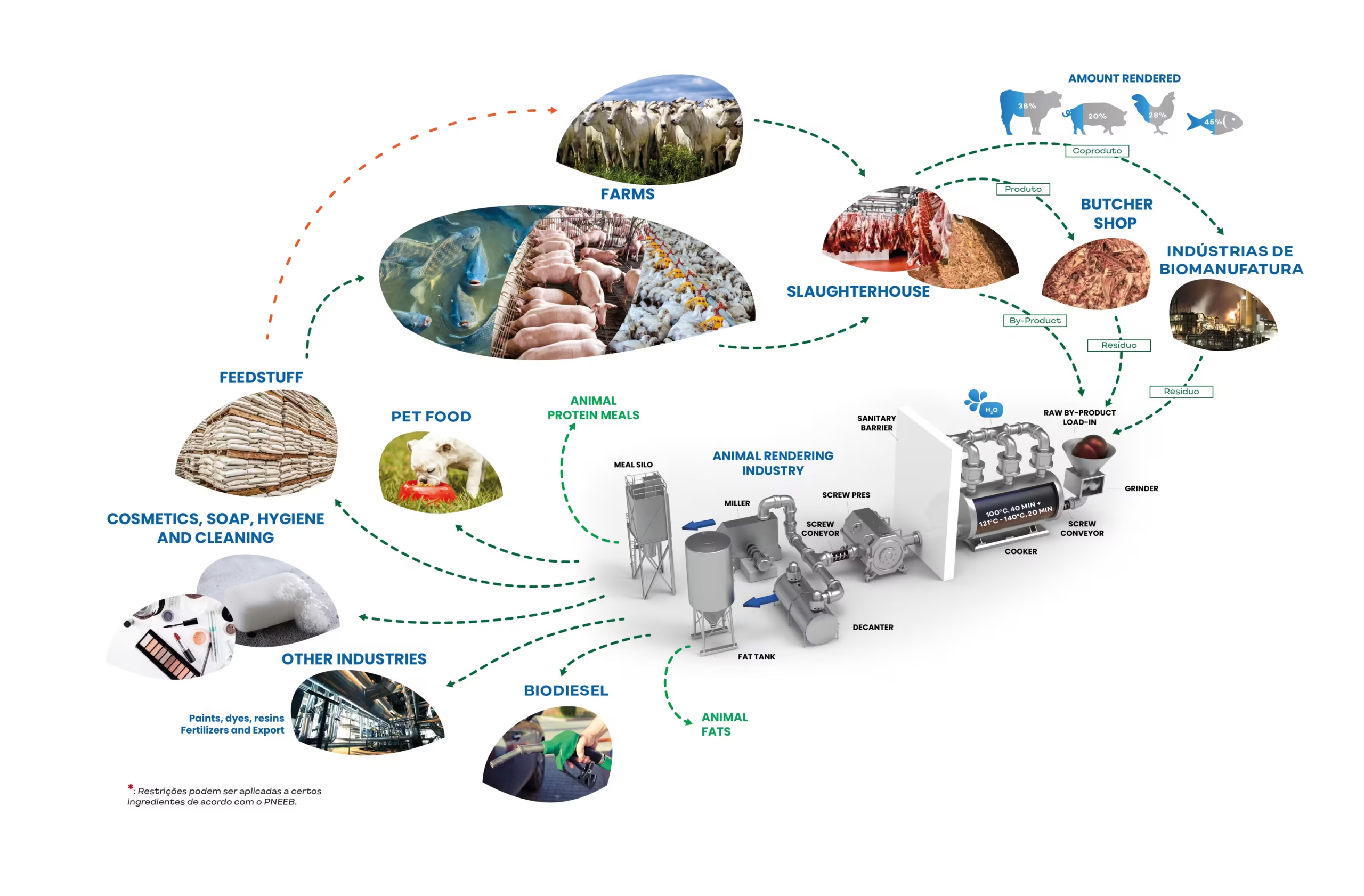


Brazilian renderers produce 3.8 million tons of Animal Protein Meals (APM) and 2.1 million tons of Animal Fats (AF) annually. Their use in non-ruminant feeds offers:
- Replacement of 100% of inorganic phosphorus.
- Reduction of 50% in inorganic calcium.
- Lower protein source and oil inclusion.
- Enhanced feed taste and physical stability.
Additionally, APM and AF lower feed costs. With typical inclusions of 5-8%, feed costs drop by 3-5%, translating to cheaper meat production without compromising nutritional value. Feed accounts for 75% of meat production costs, meaning rendering contributes significantly to affordable and sustainable food production.
Rendering also delivers indirect benefits:
- Avoiding the use of non-renewable phosphates.
- Lowering the carbon footprint of feed and the meat produced by such animals.
- Supporting circular bioeconomic feed by “closing the loop” in the meat supply chain.
- Allowing pets and non-ruminant animals a diet that more closely aligns with their natural nutritional needs.
- Reducing cases of feather pecking in poultry, especially in laying hens.
- Benefiting species that require dietary cholesterol through the naturally occurring cholesterol in animal-derived ingredients.